Many of us picture specialty gardens as whimsical projects for grand estates, or believe that knot garden design is too elaborate for home gardeners to attempt. Yet, these classic patterns are not reserved only for palaces or botanical institutions. Knot garden design, with its interlacing shapes and textured hedges, can bring structure, artistry, and timeless charm to almost any space. As we delve into the world of specialty gardens, we’ll see just how accessible—yet refined—these living tapestries can be.
Knot garden design isn’t merely about fancy hedges; it’s a thoughtful blend of pattern, plant selection, and ongoing care that results in a vibrant, sculpted statement. Let’s debunk the myth that these gardens are relics of history or require a team of experts. With the right knowledge, any gardener can create a classic specialty garden that delights season after season.
The History of Knot Gardens
Knot gardens have their roots in the grand days of the European Renaissance. Originating in Tudor England, knot garden design was inspired by the intricate embroidery and textile patterns of the era. These gardens began as displays of wealth and meticulous artistry, often placed near manor houses so their symmetrical forms could be admired from upper windows.
What sets knot gardens apart among specialty gardens is their enduring appeal. For centuries, they have been a symbol of disciplined beauty. Each pattern—whether a simple square or a complex arabesque—reflects the value placed on geometric harmony and horticultural skill. Early designs focused on aromatic herbs and clipped boxwoods, which were prized for scent and structure.
As time went on, the tradition of knot garden design spread across Europe, adopting new motifs and plant varieties. While the core concept remained, gardeners began experimenting with color contrasts and seasonal variation. Today, these classic layouts continue to inspire, bridging history with contemporary style in specialty gardens worldwide.
By understanding these origins, we can appreciate why knot gardens remain a beloved feature for those who value tradition, artistry, and the transformative power of detailed planting schemes.
Elements of Knot Garden Design
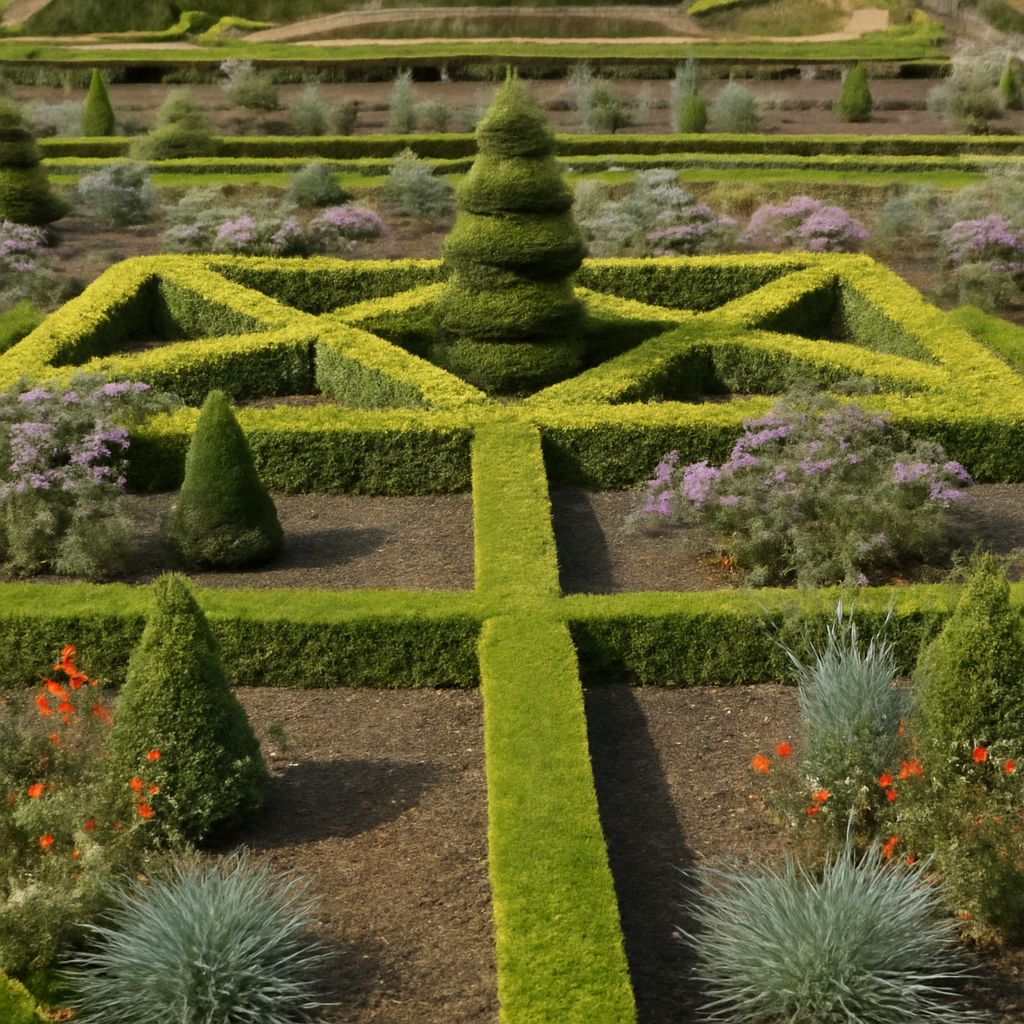
At the heart of knot garden design are interwoven patterns formed by low, evergreen hedges. The “knots” themselves are created by weaving lines and shapes that seem to overlap and underlap, producing a three-dimensional effect. While complex examples can resemble a tapestry, even a simple diamond or square can capture the essence of specialty gardens with elegance.
Key elements typically include symmetry, repetition, and defined borders. The garden’s outline is usually rectangular or square, but it’s the internal structure—the interplay of curves, angles, and pathways—that creates visual intrigue. We use gravel, colored mulch, or low-growing herbs to highlight the negative spaces and accentuate the design. Pathways serve not only for access but also as visual breaks, emphasizing the pattern’s rhythm.
Color contrast is another hallmark of knot garden design. Pairing dark greens with lighter foliage, or weaving in silver-leaved plants, adds depth and drama. Some specialty gardens incorporate flowering herbs or annuals for seasonal highlights, but evergreen structure remains the foundation. The overall effect is one of order and sophistication, achieved through attention to both detail and proportion.
Ultimately, the success of any knot garden lies in its clarity. Sharp edges, crisp lines, and neat surfaces define these specialty gardens. As we plan our designs, we always consider how each element works in harmony with the rest, ensuring the finished result is both striking and serene.
Choosing Plants for a Knot Garden
Plant selection is fundamental to successful knot garden design. Traditionally, evergreen hedges like boxwood (Buxus sempervirens) are used for their density and willingness to be shaped. However, there are many alternatives suitable for modern specialty gardens, especially where box blight or harsh winters pose challenges.
We often look to dwarf varieties of yew (Taxus), privet (Ligustrum), or even lavender for a softer effect. For color contrast, Santolina, germander, and thyme offer silvery-green or gray foliage, which stands out beautifully against darker greens. In some knot garden designs, annuals such as alyssum or bedding violas fill in spaces for seasonal interest without overpowering the structure.
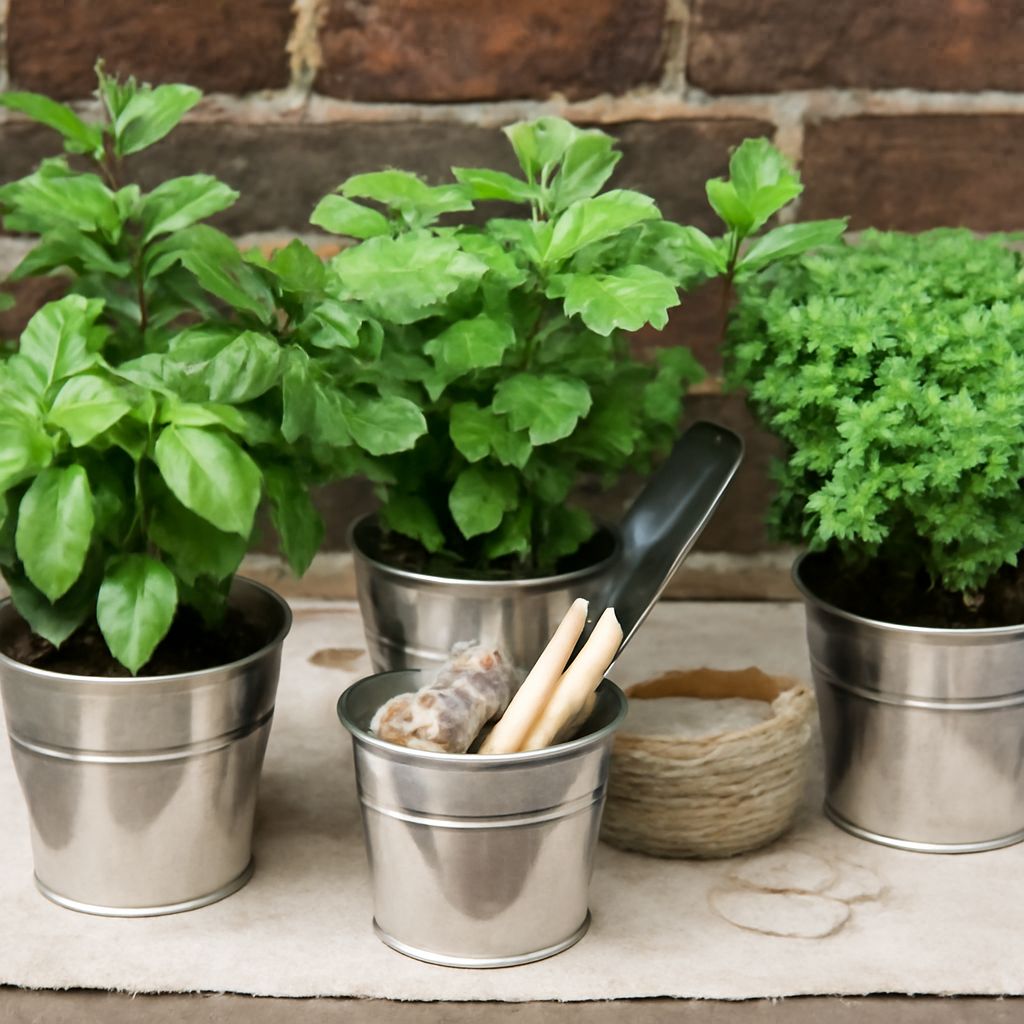
Herbs are a nod to tradition and bring fragrance as well as visual appeal. Rosemary, sage, and savory can all be clipped into shape, making them practical and beautiful options for specialty gardens. We recommend choosing plants that can handle frequent pruning and have a compact growth habit, as this eases maintenance and keeps the patterns crisp.
When assembling our palette, we always consider each species’ growth rate, ultimate height, and color throughout the seasons. This planning ensures that our knot garden design remains neat and vibrant year-round, with minimal gaps and balanced symmetry.
Planning Your Knot Garden Layout
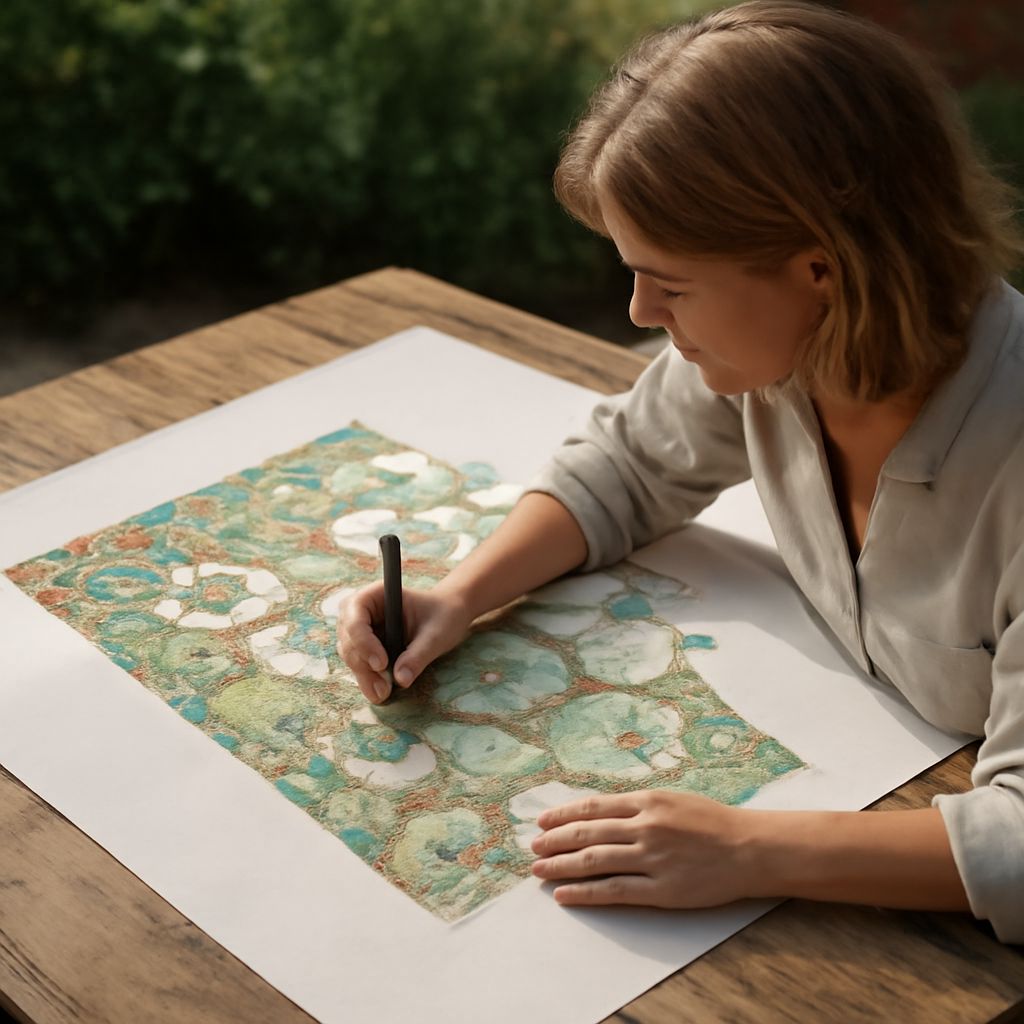
Every successful knot garden design begins with a clear plan. We start by assessing the site’s dimensions, light conditions, and soil quality. Grid paper or digital design tools are invaluable for sketching out interlacing shapes and calculating precise spacing—accuracy here pays off in the finished look.
Symmetry is key. We suggest dividing the area into equal sections, using string lines or stakes as guides. This helps us lay out repetitive motifs and ensures each “knot” segment aligns correctly. For smaller specialty gardens, sticking to simple geometric patterns like diamonds or chevrons can be highly effective without overwhelming the space.
Don’t forget the practical aspects: leave narrow gravel paths or stepping stones for access. Access is crucial for both maintenance and visual enjoyment. In larger specialty gardens, central features such as sundials or decorative urns provide focal points and anchor the design visually.
Before planting, we double-check measurements and mark out the design with sand or flour. This dry run allows easy adjustments and ensures the final result matches our original vision. A methodical approach at this stage leads to a harmonious, long-lasting knot garden that enhances its setting.
Maintenance and Seasonal Care
The beauty of any knot garden design depends on regular upkeep. Frequent trimming is essential to preserve the sharp lines and structured shapes typical of specialty gardens. For most hedging plants, we recommend shearing two to four times a year, especially during the growing season. Clean, sharp tools ensure tidy results and healthy plants.
Weed control is another important task. The open spaces between hedges can attract weeds, which disrupt the pattern and compete for resources. Mulching with fine gravel or bark, along with hand-weeding, keeps these areas neat and highlights the knot garden’s design.
Feeding and watering routines should match your plant choices. Evergreens and herbs often have similar needs—well-drained soil, moderate feeding, and careful watering. In colder climates, protect sensitive species with mulch or windbreaks. Inspect hedges regularly for pests and disease, particularly boxwood, which can be susceptible to blight in some regions.
Finally, plan for seasonal refreshment. Annuals or short-lived perennials can be swapped out to maintain color and interest year-round. By attending to these ongoing tasks, we keep our specialty gardens healthy, balanced, and as visually stunning as the day they were planted.