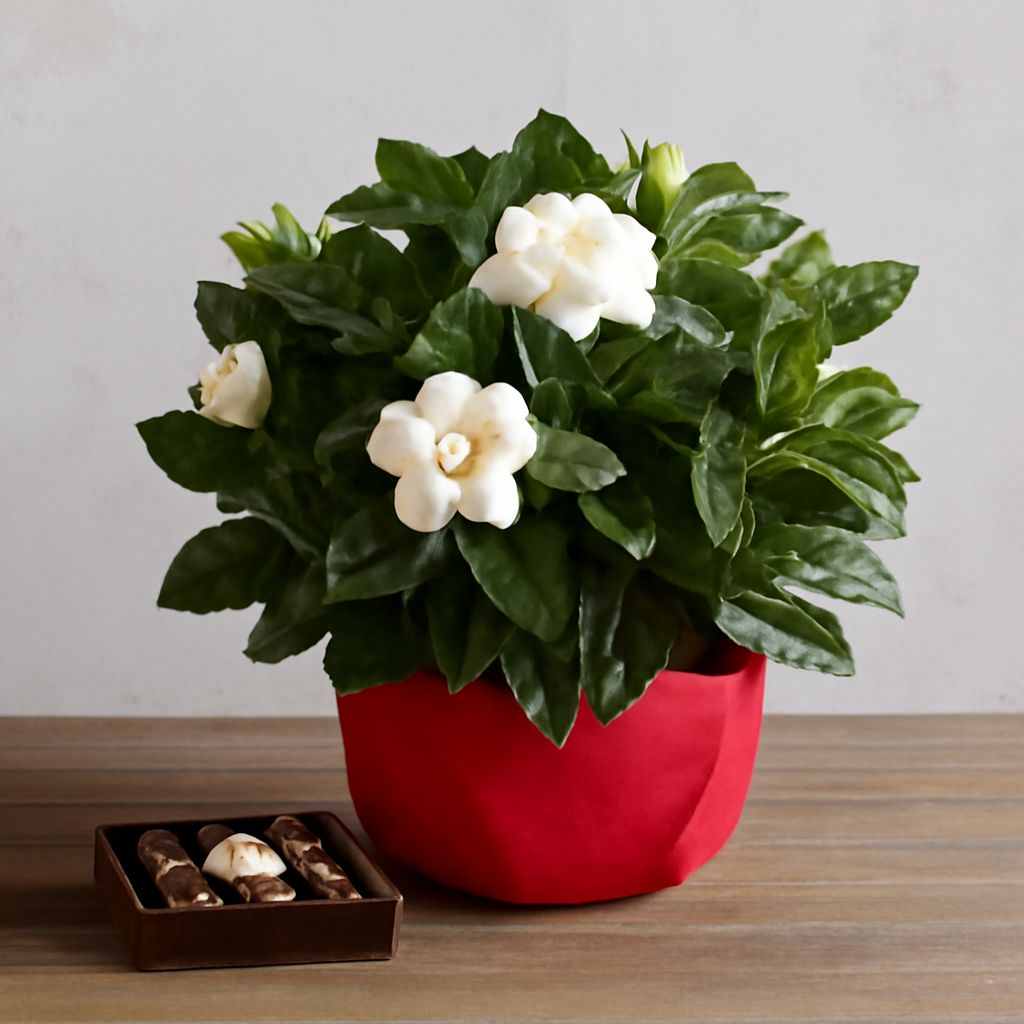
You bring a gardenia home covered in buds, then find them on the windowsill a week later. A gardenia grown as a houseplant needs bright light and steady moisture, and the change from a humid greenhouse to a dry room can be hard on it. Start by finding a consistent place indoors before making a series of quick changes.
Gardenia indoor conditions that support growth
Place the pot close to a bright window where it receives several hours of direct morning sun and plenty of bright light for the rest of the day. A south- or west-facing window can work, though strong afternoon sun through hot glass may scorch leaves. Move the plant back slightly or use a sheer curtain if the leaves show sun damage.
An indoor gardenia usually needs more light than a dim corner can provide. If natural light is limited, a plant grow light positioned according to its instructions can supplement the window. Give the plant a regular dark period at night rather than leaving the light on around the clock.
A gardenia house plant does best away from hot radiators, cold windowpanes, and air-conditioning vents. Aim for daytime temperatures around 65–70°F and cooler nights around 60–65°F. Avoid sudden swings: a room that heats up in the afternoon and turns cold at night can stress buds as well as foliage.
For a gardenia indoor display, check the conditions at the pot, not just the thermostat across the room. A sunny sill may be warmer by day and colder after sunset. A small thermometer placed nearby can show whether a short move would make the setting steadier.
Water when the soil begins to dry
Put a finger into the potting mix before reaching for the watering can. When the top inch feels dry, water thoroughly until excess runs through the drainage holes. Let the pot drain, then empty the saucer. The root ball should stay evenly moist, but it should not sit in water.
A gardenia house plant in a small pot may dry more quickly than one in a large pot. Check it more often in bright, warm weather and less often in a cool room. If the surface looks dry while the soil below is still wet, wait and check again rather than watering by the calendar.
Use a pot with drainage holes and a well-draining, acidic potting mix suited to acid-loving plants. If a dry root ball has pulled away from the sides of the pot, water may run straight through without wetting it. Water slowly in stages and check the mix afterward. If it remains dry, briefly soak the pot in water and let it drain completely.
Raise humidity without soaking the roots
Dry indoor air can leave leaf edges brown and make it harder to keep buds in good condition. A room humidifier near the plant is a useful way to raise humidity. You can also set the pot on a tray of pebbles and water, keeping the bottom of the pot above the waterline so the roots do not remain wet.
Group plants near your potted gardenia plant if you have the space, but leave air moving between their leaves. Avoid crowding foliage against a wall or curtain. Misting gives only a brief increase in moisture and can leave water sitting on flowers and leaves; a humidifier offers a steadier approach.
A gardenia growing indoors may need closer attention when the heat runs all day. Refill the humidifier as needed and keep its equipment clean. Humidity helps the leaves, but it does not replace watering the soil or improve poor drainage.
Help buds open
Flower buds form and develop best when light, temperature, and moisture remain reasonably steady. Once you find a suitable window, avoid moving the pot repeatedly between rooms. Water before the root ball becomes very dry, and protect the plant from drafts when a door or window opens in cold weather.
The gardenia plant kept indoors may shed a few older leaves as it adjusts to a new home. Check the whole plant before reacting: firm green growth and developing buds tell a different story from widespread yellowing, limp foliage, or wet soil. Inspect the leaves of the gardenia in your room for pests such as scale or whiteflies, and isolate an affected plant while you address the problem.
A gardenia indoor arrangement can look inviting beside a doorway, but repeated cold drafts may make that spot unsuitable. Choose a place for the plant’s needs first; its glossy leaves and fragrant white flowers can still be enjoyed from across the room.
If buds drop, check the potting mix first: is it dry below the surface, or wet and sour? Then check the light, the temperature beside the leaves, and nearby vents or drafts. Correct the condition you find and give the plant time to settle before changing something else.