A narrow gap between stepping stones looks bare, but a plant that grows tall will catch your feet. Golden Scotch pearlwort can fill a small space with a low cushion of foliage, provided the ground drains and does not dry out for long. Before planting, check how much sun and foot traffic the gap receives.
Scottish moss names and identification
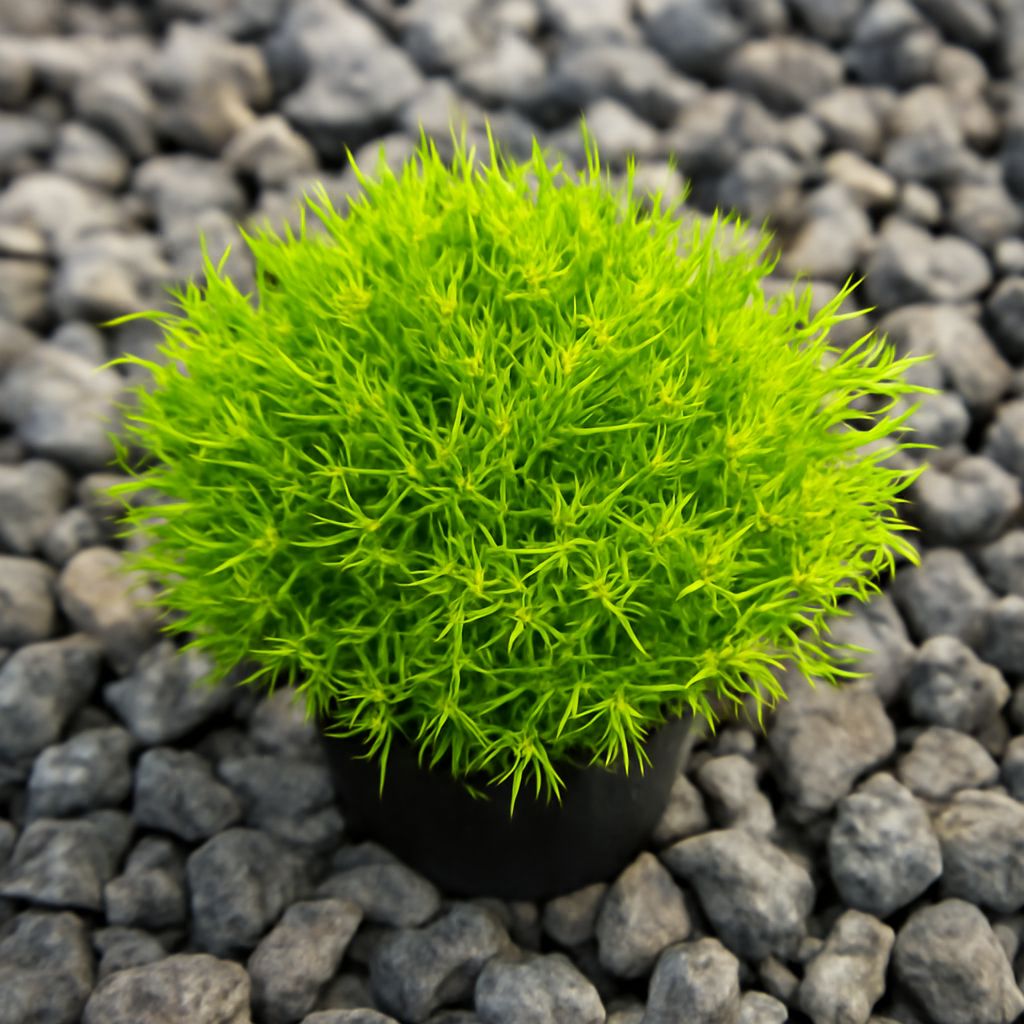
Scotch moss is a common name for the golden-leaved form of Sagina subulata, often sold as ‘Aurea’. It is a flowering plant in the carnation family, not a true moss. Its fine, closely set leaves make a dense-looking mat only a few inches high, and tiny white flowers can appear on slender stems in spring or early summer.
Some nurseries also call the plant scottish moss. Common names are not always used consistently, so check the botanical name and the cultivar on the pot. Irish moss usually refers to the greener form of the same species; the gold-leaved selection gives a brighter effect beside dark stone or soil. Leaf color varies with light, season, and growing conditions.
The golden pearlwort plant grows outward in a low cushion rather than sending up tall stems. Look closely at a nursery pot for fresh growth and firm, rooted sections. Brown patches in the middle or a mass of loose, dry foliage may indicate a plant that needs attention before it goes into the ground.
Choose a place where the mat can thrive
Use Scotch moss ground cover in a small border edge, rock garden pocket, or space between paving stones where its fine texture can be seen. It can tolerate light, occasional foot traffic, but it is not a replacement for turf under a busy route. Put stepping stones where people naturally walk and let the plant fill the spaces around them.
The golden form of Sagina subulata generally grows in full sun to part shade. In hot climates, some afternoon shade can help prevent the soil from drying too quickly. In deep shade growth may be thinner and the yellow-green color less pronounced. Watch the proposed spot through the day instead of judging it by a single morning glance.
Even moisture and good drainage belong together. The soil should not stay waterlogged, but it should not become hard and dry for long periods either. Check a planting pocket after rain: if water remains standing, choose a better-drained place. A narrow joint beside hot paving may need more frequent checks than an open bed.
Before planting the yellow-green pearlwort, check the cultivar’s hardiness on the label and ask a local nursery how it handles your summers. Heat, humidity, and winter wetness can be difficult even within a plant’s listed hardiness range. A small trial patch is useful where conditions are uncertain.
Set plants into prepared soil
Remove weeds and their roots before you begin. Once the cushion spreads, pulling a rooted weed out of the middle can lift or tear the surrounding mat. Loosen the soil enough for the roots to enter it, and work a little compost into poor soil if needed without creating a wet, heavily amended pocket.
Space plants according to the nursery label and the size of the gaps you want to fill. Closer spacing gives quicker coverage but costs more and leaves less room for growth. Set each plug at the same depth it grew in its pot, firm the soil lightly around the roots, and water gently to settle it.
Water new plants often enough to keep the root zone evenly moist while they establish. Check below the surface with a finger; a dry surface alone does not always mean the roots need water. After establishment, continue to check during dry spells, particularly beside stone that warms in the sun.
Keep the cushion healthy
A golden mat of pearlwort spreads gradually, and separate plugs need time to meet. Small bare spaces are normal at first. Remove young weeds by hand while there is room to reach them, and avoid piling bark mulch over the low foliage. A thin covering of fine gravel around, not over, the plants can help keep soil off the leaves in a rock garden.
If a patch turns brown, look at the soil before watering. Dry soil may call for a thorough drink, while soft foliage and persistently wet soil suggest a drainage problem. Traffic concentrated in one spot can also wear a hole in the mat. Add a stepping stone or redirect the route if the same place is repeatedly crushed.
Scotch moss may develop uneven areas as it ages or after difficult weather. Once healthy growth resumes, small rooted sections can be lifted and replanted to fill gaps. Water them in and protect them from drying while they settle. Avoid treating the delicate mat like a lawn that can be mowed and walked on every day.
Before planting, check the site for sun, drainage, reliable access to water, and the amount of foot traffic it receives. Read the label for the plant’s botanical name and mature spread, then start with enough space to reach the soil and keep weeds out.