A compact evergreen tucked beneath a tree and a tall shrub at the edge of a sunny yard can both be sold under the same festive name. Plants called Christmas berries differ enough in size and habit to make that label a poor guide to where you should put them. Start with the botanical name, then look at the leaves and fruit before making room in your garden.
Christmas Berry Plant: Why the Name Can Mislead
A nursery tag for a christmas berry plant may refer to more than one species. Some hold their leaves all year; others lose them. A few are valued as regional landscape plants, while others can spread beyond gardens. Even when the red fruit looks familiar, the plants behind it can have very different needs.
The useful part of the tag is the two-part scientific name, usually printed in italics or smaller type. Ask the seller for it if you see only a common name. A cultivar name may follow, but it does not replace the species name when you are checking mature size, local restrictions, or growing conditions.
A Low Evergreen: Coral Ardisia
Coral ardisia, Ardisia crenata, is a christmas berry bush with glossy, narrow evergreen leaves and rounded teeth along the edges. Its scarlet fruit hangs in clusters beneath the foliage, often remaining showy through winter. North Carolina State Extension lists a mature size of about 4 to 6 feet tall and wide, a useful starting point when measuring a bed.
This Christmas-berry shrub tolerates shade, but its appealing fruit comes with a practical concern: birds can carry the seeds beyond the planting. It is invasive in parts of the Southeast, including Florida. Check your state and local guidance before considering it, and choose a different plant where sale or planting is restricted.
A Taller Plant With Red Fruit: Toyon
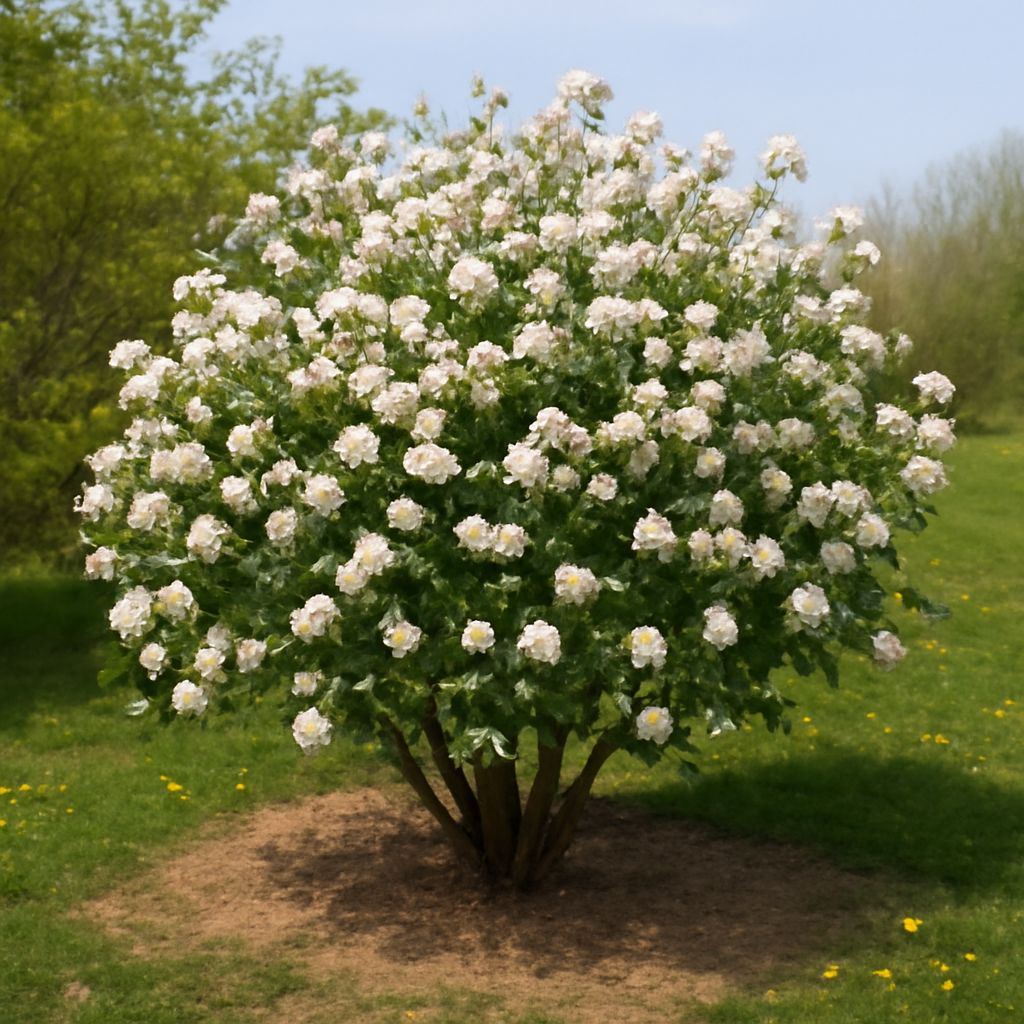
Toyon, Heteromeles arbutifolia, is an evergreen native to California and a different choice entirely from the low-growing ardisia. Its leathery leaves have toothed edges, and clusters of small white flowers give way to red fruit. It can grow into a large shrub or small tree, so allow room for its eventual spread rather than judging it by a young container plant.
A christmas berry tree identified as toyon belongs in a setting suited to its climate and drainage. In its native range it is often used in dry gardens once established; a newly planted specimen still needs attention as its roots settle in. Ask a local nursery or extension office how to establish it in your soil, and water according to the conditions at the site.
A Deciduous Look-Alike: Oriental Photinia
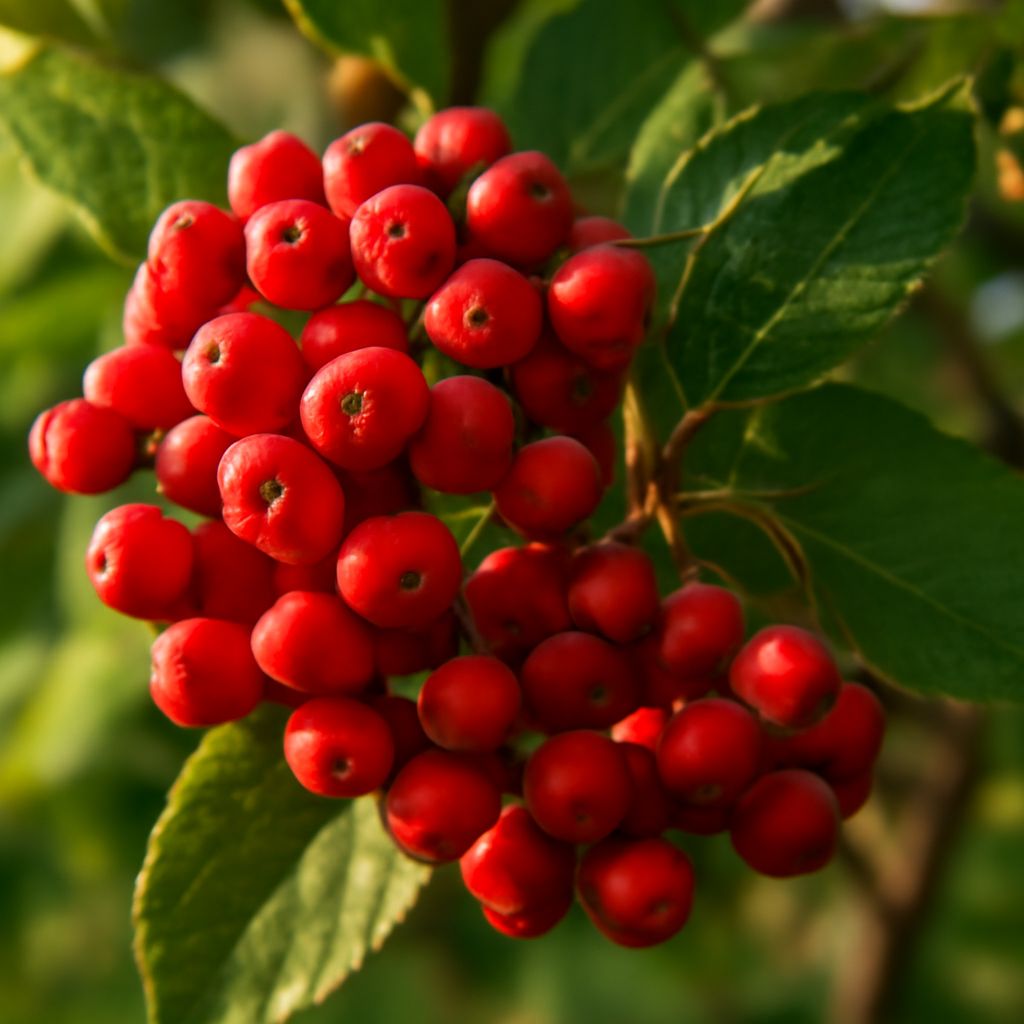
Oriental photinia, Pourthiaea villosa, formerly known as Photinia villosa, is another plant sold under the festive name. This tree bearing Christmas berries loses its leaves, unlike toyon and coral ardisia. It bears white flowers in spring and red fruit in fall that can persist into winter; its leaves are toothed and can develop fall color.
North Carolina State Extension lists a height and width of about 15 feet. Give this holiday berry plant space in sun or partial shade and check whether it self-seeds in your area. Fallen fruit and seedlings may mean more cleanup than you expect beside a walkway or patio.
Check the Leaves Before You Buy
Another tree called Christmas-berry is Brazilian peppertree, Schinus terebinthifolia. Its leaves are divided into several leaflets, a useful distinction from the simple leaves of the three plants above. It is invasive in Florida and Hawaii, so consult local guidance before planting or moving it. Do not assume that attractive clusters of red fruit mean a plant is a suitable addition to your yard.
For a plant already growing on your property, take clear photos of a whole branch, the upper and lower leaf surfaces, and the fruit. Note whether leaves remain through winter and estimate the plant’s height. A single fallen berry gives an expert much less to work with than those details together.
Match the Plant to the Place
Once you have a likely name, check the full-grown dimensions against the space available, including overhead wires and paths. Look at the site’s winter temperatures, light, and drainage. A Christmas-berry plant that fits a shaded bed may not be the one that will thrive against a hot, dry wall.
Do not decide whether fruit is edible from the shared name or from its color. Keep children and pets from sampling unidentified berries, and seek species-specific guidance if you need to know more. If a child or pet has eaten an unknown berry, contact poison control or a veterinarian promptly.
Before buying, compare the tag on your chosen Christmas-berry plant with a trusted extension description and ask the seller to confirm the botanical name. That small check gives you a better chance of bringing home a plant that fits both the space and the place.